

Erectile dysfunction
Erectile Dysfunction – Causes, Symptoms, Diagnosis & Treatment
Erectile dysfunction (ED) is a common sexual health problem that can occur at any point in a man’s life. It describes the inability to get or keep an erection firm enough for sexual activity. Everyone can have occasional erection problems but regular or ongoing problems may be an indication of an underlying health problem.
Erectile dysfunction is not always just a sexual problem. It is important to understand this. ED can sometimes be a symptom of conditions that affect the blood vessels, hormones, nerves or mental health.
The good news is that once the underlying cause is identified, erectile dysfunction can often be evaluated and treated.
What Is Erectile Dysfunction?
Erectile dysfunction is a condition in which a man is unable to get or keep an erection firm enough to have sex. An erection is a complex process involving your brain, nerves, hormones, blood vessels and the tissues of your penis.
Problems that interfere with normal erection can affect any of these systems.
ED should also be distinguished from occasional problems with erection. Stress, tiredness or temporary illness can affect sexual performance sometimes. If it continues or happens regularly, talking to a healthcare professional can help narrow down what is causing it.
Common Erectile Dysfunction Causes
It is uncommon for ED to have one single cause. Erectile dysfunction causes can be physical, psychological or a combination of both.
Cardiovascular Conditions
Good blood flow is needed for an erection. High blood pressure, high cholesterol, atherosclerosis and cardiovascular disease can all have an effect on blood vessels and reduce blood flow to the penis.
This is why persistent ED can sometimes be associated with more general problems with vascular health.
Diabetes
Over time, diabetes can damage blood vessels and nerves, both of which are necessary to achieve normal erections. Men with diabetes are at higher risk for developing ED especially if blood sugar levels are poorly controlled over long periods of time.
Hormonal Problems
Sexual desire and erectile function might be affected by testosterone and other hormones. Thyroid disorders and other hormonal problems can be involved, as can low testosterone in some men, who may have sexual problems.
Neurological Conditions
Parkinson’s disease, multiple sclerosis, spinal cord injury, and nerve damage from diabetes can all affect the nerves that control sexual stimulation and erection.
In these situations, nerve signals can become damaged, making it hard to get or keep an erection.
Medications
Erectile dysfunction can be a side effect of some prescription medications. These could be some medications used for high blood pressure, depression and other long-term conditions.
A doctor can look at current medications and determine if a change is needed. You should never stop taking any medicines without professional advice.
Lifestyle Factors
Smoking, drinking and other unwholesome activities on Sunday may increase your risk of ED. These can impact cardiovascular health, hormones and overall physical wellbeing.
Improving general health may be an important part of the management of erectile problems.
Psychological Factors
The mind can affect erections too. Anxiety, depression, chronic stress, relationship problems, and performance anxiety can cause or worsen ED.
Psychological and physical causes may be present together. For example, a man might have a medical condition that causes ED and then worry about future sexual performance.
Symptoms of Erectile Dysfunction
The most obvious symptom is having difficulty in getting or maintaining an erection. But ED can show up in different ways.
A man may observe that he:
- cannot get an erection consistently
- gets an erection but cannot maintain it
- needs considerably more stimulation to become erect
- has reduced sexual confidence because of repeated erection difficulties
- experiences a decrease in sexual desire when hormonal or psychological factors are involved
The frequency and nature of the symptoms may differ from one person to another.
How Is Erectile Dysfunction Diagnosed?
Diagnosis of ED begins with a comprehensive talk with a health care professional. They may ask patients about their sexual symptoms, general health, lifestyle, medications and medical history.
A doctor might also ask when the problem started, if it happens every time, and if morning or spontaneous erections still happen.
Depending on symptoms and medical history, a physical exam may be done. You may also be advised to undergo tests such as blood or urine tests to check for diabetes, hormonal imbalances or other health issues.
Additional testing to determine blood flow or other aspects of erectile function may be needed in some cases.
The goal of diagnosis is not to confirm ED. The objective is to identify the causes of it.
ED Treatment Options
The right ED treatment will depend on the underlying cause, general health, medications, and personal circumstances.
Lifestyle Changes
Healthy lifestyle habits can improve erectile function and support cardiovascular health. They may include regular physical activity, keeping a healthy weight, limiting alcohol, quitting smoking and eating a well-rounded diet.
Managing conditions such as diabetes, high blood pressure and high cholesterol levels is also important.
Prescription Medicines
Doctors can prescribe oral medications that improve blood flow to the penis. These drugs are commonly used for ED but are not suitable for everyone.
For example, some combinations with nitrate medications can lead to a dangerous drop in blood pressure. This is why ED medications should be taken under proper medical supervision.
Counselling or Therapy
ED may be due to anxiety, depression, problems with relationships or performance issues. Counselling or psychotherapy may help.
Sometimes the psychological factors are interacting with a physical cause and it can be very useful to address these.
Other Medical Treatments
Other treatment choices are available for men who do not respond to or cannot use oral medicines. Depending on the circumstances, doctors may consider vacuum erection devices, injectable medications, or penile implants.
When Should You See a Doctor?
It’s not uncommon to have an erection problem now and then. But if your symptoms are ongoing or recurrent, you should talk to a healthcare professional.
This is particularly important if you have ED with symptoms in your chest, or if you have diabetes, high blood pressure, high cholesterol or other risk factors for heart disease.
Because erectile function relies on healthy blood vessels and nerves, ED can sometimes be linked to more general health issues. A medical evaluation can identify these things and point to the proper treatment.
FAQs
1. Is erectile dysfunction a normal part of aging?
Ans- ED is seen more often as people age but should not be automatically assumed to be a normal or unavoidable part of getting older. The problem could be caused by treatable medical conditions.
2.Can stress cause ED?
Ans- Yes. Stress, anxiety and depression and performance anxiety can all affect sexual arousal and erection. Physical and psychological causes can also occur simultaneously.
3. Can erectile dysfunction be cured?
Ans- Some underlying causes can be treated or improved. Other cases may need ongoing management. The outlook depends on the cause of the ED and how well it responds to treatment.
4. Is ED treatment safe for everyone?
Ans- There is no one right treatment for all. Medical history, current medications, cardiovascular health and other conditions must be taken into account before a treatment is selected.
5. Can lifestyle changes help erectile dysfunction?
Healthy habits might also help you keep your blood vessels healthy, improve your overall fitness, and reduce some risk factors for ED. They may also be an important part of a larger treatment plan.
Final Thoughts
It may be difficult to discuss erectile dysfunction, but when the symptoms continue, they should be properly addressed. Erectile dysfunction causes can include diabetes, cardiovascular disease, medications, hormonal changes, lifestyle factors, and psychological concerns.
A proper diagnosis can help determine what the problem is and how best to go about addressing it. ED treatment may include lifestyle changes, counselling, prescription medications, hormone therapy or other medical options depending on the individual.
If you’re experiencing ongoing erectile dysfunction, your first step should be to consult a qualified healthcare professional to understand and treat the issue rather than relying on an unverified remedy or ignoring recurring symptoms.
Showing 1–9 of 172 resultsSorted by popularity
-

Sildenafil Citrate61 Products
-
Tadalafil45 Products
-
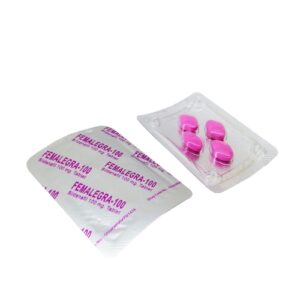 Sildenafil Citrate
Femalegra / Womegra 100mg
-
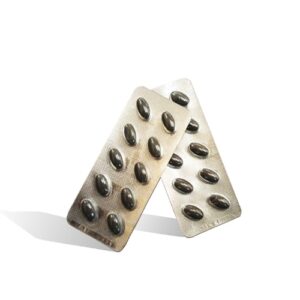 Tadalafil
Vidalista Black 80 mg
-
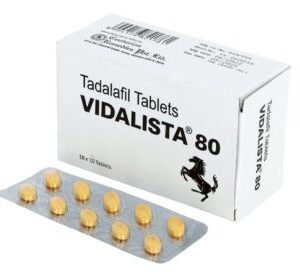 Tadalafil
Vidalista 80 mg
-
 Sildenafil Citrate
Cenforce 200mg
-
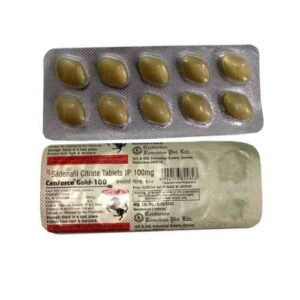 Erectile dysfunction
Cenforce gold 100mg
-
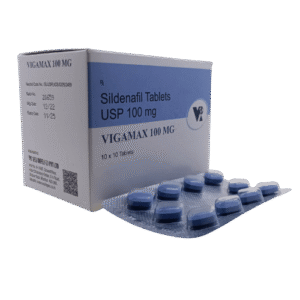 Erectile dysfunction
Vigamax 100 mg
-
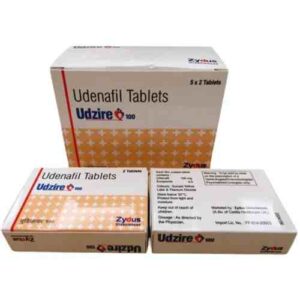 Erectile dysfunction
Udzire 100 mg
-
 Erectile dysfunction
Barshasha Strength Booster
-
 Erectile dysfunction
Megalis 20 mg